
Rest-hour records that hold up when someone checks
STCW and MLC set the minimum rest a seafarer is owed. The hard part is recording it as it happens rather than reconstructing it later.


Topic
Rotations, handovers, and live readiness, the moving parts of running a fleet without friction.
5 articles · Updated Feb 2026
Operations is where the plan meets the sea. Crew rotate mid-voyage, ports move, a vessel drops off connectivity for a day, and the schedule that looked settled ashore has to keep working anyway. The cost of that friction rarely shows up as one large number; it accumulates in duplicated data entry, decisions made on stale information, and work repeated because nobody could see it had been done.
A rotation is as much a data problem as a scheduling one. When a certification, a training record and an assignment live in three systems, a crew change means reconciling three versions of the same person. When they live in one, the handover is a read rather than a rebuild.
Rotation planning is a constraint problem wearing a calendar's clothing. A berth has to be filled by somebody whose certificates are valid for the dates in question, whose rest hours will still be lawful given the passage, whose visa admits them to the ports on the itinerary, and whose rank matches what the flag state requires for that vessel. Change any one input and the others move. Solved on a spreadsheet it works until the first disruption, and then it is solved again from scratch.
The second cost is staleness. A decision made ashore is made on the most recent data that reached shore, which during a connectivity gap is not the same as the most recent data. A great deal of operational friction traces back to that gap: a berth filled twice, a certificate chased that was renewed three days ago, an assignment issued to somebody who has already been moved. Closing it is less about deciding faster than about both sides holding the same record at the moment the decision is made.
This topic covers the moving parts: rotations and work/rest limits, handovers that survive a crew change, and getting from spreadsheets to readiness you can actually see.
STCW and MLC set the minimum rest a seafarer is owed. The hard part is recording it as it happens rather than reconstructing it later.
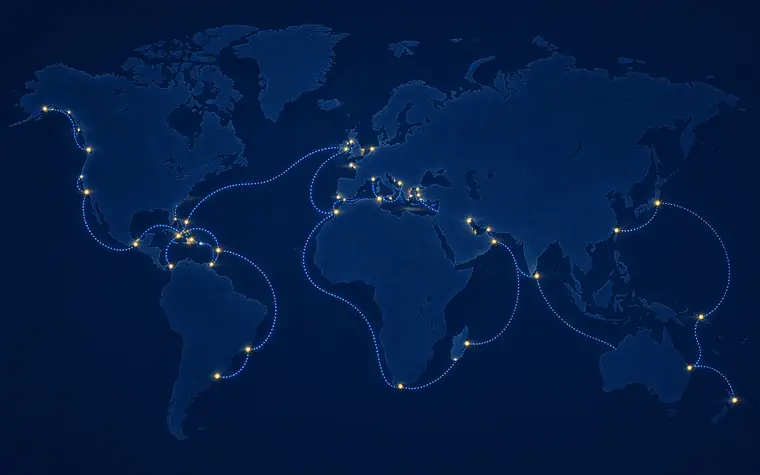
Every flag state sets its own requirements. How fleets keep one operating process without pretending the differences do not exist.

How unifying rotations, certifications, and handovers across every leg of the voyage removes operational friction.

Replacing manual consolidation with real-time staffing, certification, and readiness reporting.
A structured handover template so nothing gets lost when one rotation replaces another.